Scratching in the walls at night
We locate the wall void using inspection mirrors, set traps at the base, and seal the entry point once the mice are removed. Most wall jobs are resolved in one to two visits.
Rodent Control Lima OH means finding where mice are getting in, removing them, and sealing the building so they stay out. We handle attics, kitchens, crawl spaces, and garages across Allen County. If you have heard scratching in the walls at night or found droppings under the sink, call us and we will inspect the same day.

Rodent Control Lima OH is the full process of inspecting a building, identifying the rodent species, removing the animals, and sealing the structure so they cannot return. It is not just setting a few snap traps and hoping for the best. We check the attic, crawl space, kitchen, and wall voids, then use bait stations, glue boards, and live catch traps where they make sense. Rodenticide is placed only in tamper-resistant stations, never loose where kids or pets can reach it.
Lima has a lot of older housing stock with fieldstone foundations, unsealed sill plates, and original knob-and-tube era gaps that mice exploit every fall. When the first cold snap hits in October, rodents move indoors looking for warmth and food. That is when we get the most calls for rodent removal Lima Ohio. If you have seen a mouse in the kitchen or heard movement in the attic, the problem is usually bigger than one animal.
Every Rodent Control Lima OH job starts with a full inspection and ends with a follow-up visit to confirm the building is clear. The inclusions below are part of the standard service. Insulation replacement and major damage repair are quoted separately if needed.
We check the attic, crawl space, kitchen, basement, garage, and exterior perimeter. Inspection mirrors and flashlights let us see into wall voids and behind appliances. You get a written report with photos of every entry point and nesting site we find.
Snap traps, glue boards, and live catch traps are placed along rodent travel routes. Tamper-resistant bait stations with rodenticide blocks go in areas pets and children cannot reach. Traps are checked every 48 to 72 hours until activity stops.
We seal foundation cracks, pipe penetrations, vents, and gaps around doors with copper mesh, steel wool, expanding foam, and hardware cloth. This is the step that prevents new rodents from getting inside after the current population is removed.
Droppings are removed, contaminated surfaces are treated, and soiled insulation is bagged and disposed of. A UV blacklight check confirms no urine residue remains. We leave the affected areas clean and safe to use again.
We return 14 to 21 days after the initial service to check traps, verify exclusion work is holding, and confirm no new activity. If we find a gap we missed, we seal it at no charge within the warranty period.
A licensed technician inspects the attic, crawl space, kitchen, basement, and exterior perimeter. We use inspection mirrors and flashlights to check wall voids and behind appliances. The inspection takes 45 to 90 minutes depending on the size of the building. You get a written report with photos of every entry point we find.
We confirm whether you have house mice, deer mice, or rats, because each species behaves differently. House mice stay close to food and nesting areas. Deer mice are more common in rural parts of Allen County and carry different health risks. The treatment plan changes based on what we find.
We set snap traps, glue boards, and live catch traps in strategic locations along walls and behind appliances where rodents travel. Bait stations with rodenticide blocks are placed in tamper-resistant housings. Traps are checked every 48 to 72 hours until activity stops, usually within one to two weeks.
Once the active population is down, we seal every gap we found during inspection. Copper mesh and steel wool go into pipe penetrations. Expanding foam and silicone sealant close smaller cracks. Hardware cloth covers vents and larger openings. This is the step that keeps rodents from coming back next season.
We remove droppings, treat contaminated surfaces, and replace soiled insulation. A UV blacklight inspection confirms no urine residue remains. We schedule a follow-up visit 14 to 21 days later to verify the building is still clear and to check that all exclusion work is holding.
Purpose-built equipment, used by trained technicians — so the job is done accurately the first time.
Placed along walls and behind appliances where mice travel. These are the workhorse traps for indoor removal and are checked every 48 to 72 hours.
Tamper-resistant housings for rodenticide blocks. Used in areas where pets and children could reach loose bait. Stations are locked and labeled.
Stuffed into pipe penetrations and foundation cracks. Mice cannot chew through copper mesh, which makes it the most reliable exclusion material.
Used after sanitation to detect rodent urine residue that is invisible to the naked eye. Confirms the cleanup is complete before we close the job.
Let us see into wall voids, behind appliances, and under crawl spaces without tearing out drywall. Essential for finding hidden entry points.
Covers larger openings like foundation vents and crawl space doors. Galvanized hardware cloth holds up to weather and chewing better than plastic mesh.
Placed in areas where snap traps are not practical, such as behind refrigerators or inside cabinets. Good for monitoring activity levels.
Homeowners heard scratching for three weeks and found droppings in the attic insulation. The smell was starting to reach the second floor. Insulation was compressed and contaminated across roughly 200 square feet.
We removed 11 mice over two visits, sealed four entry points with copper mesh, and replaced the soiled insulation. The attic passed a UV blacklight check with no urine residue. The odor was gone within 48 hours.
A restaurant failed a health inspection after a mouse was seen in dry storage. The kitchen had gaps around plumbing and a damaged door sweep. Staff had been setting their own traps with no documentation.
We installed six tamper-resistant bait stations, sealed the plumbing penetrations, and replaced the door sweep. The restaurant passed its re-inspection two weeks later with full documentation. Monthly service keeps it compliant.
A family found droppings under the sink and heard scratching behind the dishwasher. They had set glue boards but kept catching mice. The pipe penetration behind the cabinet was wide open.
We removed five mice over one week, sealed the pipe penetration with copper mesh and sealant, and disinfected the cabinet. No new activity was recorded at the 21-day follow-up. The kitchen was back to normal.
Mice cause more than just a scare in the kitchen. They chew wiring, ruin insulation, and leave droppings that carry bacteria. Here are the problems we hear about most from Lima customers.
Ask a pro →We locate the wall void using inspection mirrors, set traps at the base, and seal the entry point once the mice are removed. Most wall jobs are resolved in one to two visits.
We remove the droppings, disinfect the area, and seal the pipe penetration the mice were using. Bait stations are placed behind the cabinet where pets cannot reach them.
We locate the carcass, remove it, and treat the area with odor neutralizers. If insulation is saturated, we remove and replace it. A UV blacklight check confirms the smell source is gone.
We provide after-hours service, tamper-resistant bait stations, and inspection logs for the Allen County health department. Monthly visits keep your kitchen clear and your paperwork current.
$180 - $650 depending on scope
Typical 2026 pricing for Rodent Control Lima OH runs $180 to $450 for a standard home, with larger properties or heavy infestations reaching $650. Commercial accounts and jobs requiring insulation replacement are quoted separately. We give you a flat price before we start, so you know exactly what you are paying. No hourly billing, no surprise line items. If you need affordable Rodent Control Lima, call and we will walk you through the options.
The price covers inspection, trapping, exclusion, and sanitation in one package. You are not paying for a temporary fix that fails in three months. The exclusion work we do is warrantied, and the follow-up visit confirms the job is done right.
A 1,200-square-foot home takes less time to inspect and seal than a 3,000-square-foot property with an attic, crawl space, and detached garage. Larger buildings need more traps and more exclusion materials.
A single mouse in the kitchen is a one-visit job. A colony in the attic with contaminated insulation takes multiple visits and may require insulation replacement, which adds to the cost.
Homes with fieldstone foundations often have a dozen or more gaps to seal. Each one takes time and materials. We document every entry point during inspection so you see where the labor goes.
Commercial accounts need documented service logs, tamper-resistant stations, and scheduled follow-ups. The paperwork and compliance requirements add to the service cost compared to a standard home.
“We heard scratching in the walls for two weeks before I finally called. The technician found three entry points around the kitchen pipes and sealed them with copper mesh. Traps were checked twice and we have not seen a mouse since. The price was exactly what they quoted, no surprises.”
Maria G.Homeowner, Miraflores
✓ Verified“Our health inspection was two weeks away and we had mice in the dry storage area. They came out the same day, set bait stations away from food prep, and gave us the logs we needed. We passed inspection and kept them on a monthly plan. Worth every dollar.”
James R.Restaurant Owner, Cercado de Lima
✓ Verified“Mice had gotten into the attic insulation and the smell was awful. They removed the soiled insulation, replaced it, and treated the whole attic. The dead mouse odor was gone in two days. I appreciated that they explained each step and did not try to upsell me on anything.”
Linda P.Homeowner, San Isidro
✓ VerifiedMost residential jobs in Lima run $180 to $450 for initial treatment, with larger homes or heavy infestations reaching $650. Commercial accounts and jobs requiring insulation replacement cost more. The price includes inspection, trapping, exclusion work, and sanitation. You get a flat quote before we start, so there is no hourly billing or surprise charges when the work is done.
House mice and deer mice are the most common in Lima and throughout Allen County. Norway rats show up near commercial buildings, restaurants, and alleys with poor waste management. Deer mice are more frequent in rural areas and outbuildings. Each species requires a different trap placement and exclusion approach, which is why we identify the animal before treating.
Yes. We keep emergency slots open for 24/7 rodent extermination Lima Ohio calls, especially for restaurants, daycares, and homes with infants. If you find a rodent in a food prep area or a bedroom, call and we will dispatch a technician, usually within four hours. Emergency visits include the same inspection and trapping setup as a standard appointment.
Seal every gap wider than a quarter inch with copper mesh or steel wool, keep food in hard containers, and trim vegetation back from the foundation. Check the garage door seal and the gap under the kitchen sink. We also recommend a yearly inspection in early October before the cold drives mice indoors. Most prevention failures trace back to one unsealed pipe penetration.
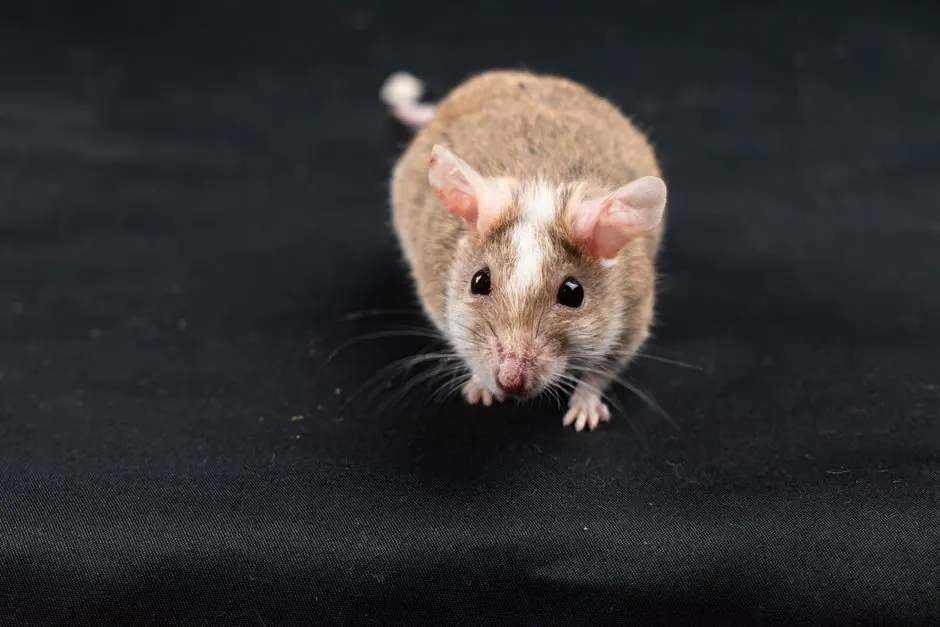 Mice ControlTargeted mice control for Lima homes dealing with house mice in kitchens and pantries. We combine trapping with exclusion to stop the cycle. Most jobs finish in one to two weeks with a follow-up visit to confirm the building is clear.Explore →
 Mouse ExterminationWhen mice have taken over, extermination removes the active population fast. We use snap traps, glue boards, and bait stations placed where rodents travel. Lima customers usually see activity drop within 48 to 72 hours of the first service.Explore →
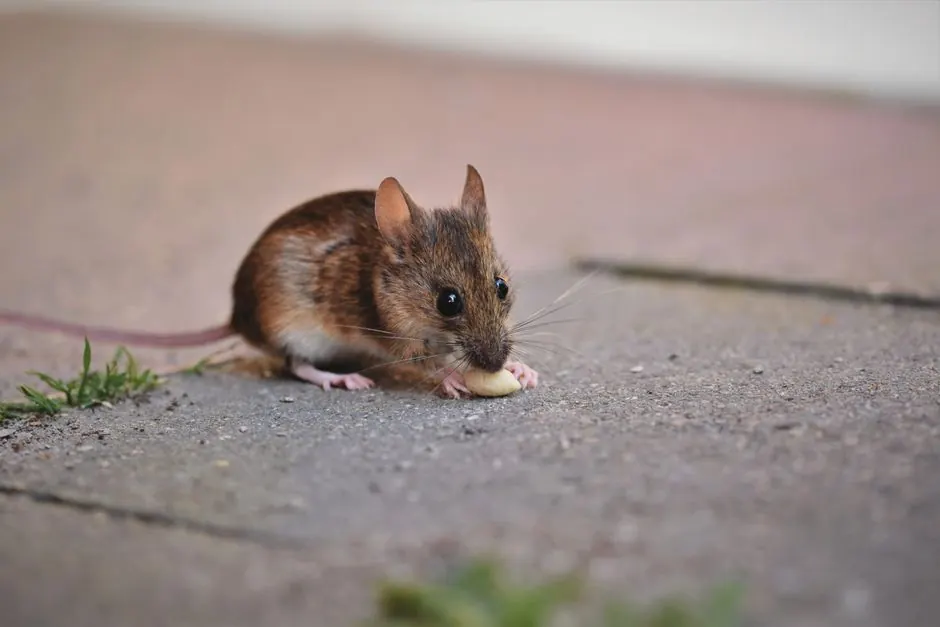 Mice RemovalPhysical removal of mice from attics, walls, and crawl spaces. We use live catch traps and snap traps depending on the situation. Dead rodents are removed and disposed of properly so you do not deal with odor or contamination afterward.Explore →
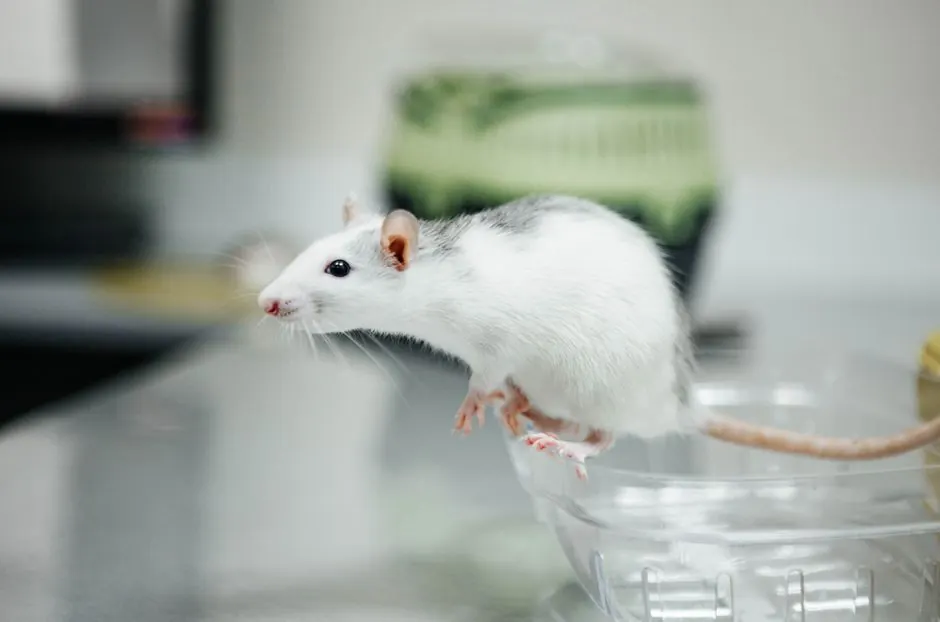 Rodent InspectionA full inspection of your Lima property to find entry points, nesting sites, and travel routes. We check the attic, crawl space, kitchen, and exterior perimeter. You get a written report with photos and a clear plan before any treatment begins.Explore →
 Mice ExclusionSealing the gaps mice use to get inside. We use copper mesh, steel wool, expanding foam, and hardware cloth on foundation cracks, pipe penetrations, and vents. Exclusion is the step that turns a temporary fix into a permanent one.Explore →
 Rodent ProofingWhole-building rodent proofing for Lima homes and businesses. We seal the exterior envelope, install door sweeps, and cover vents with hardware cloth. This service is best done in early fall before mice start moving indoors for the winter.Explore →
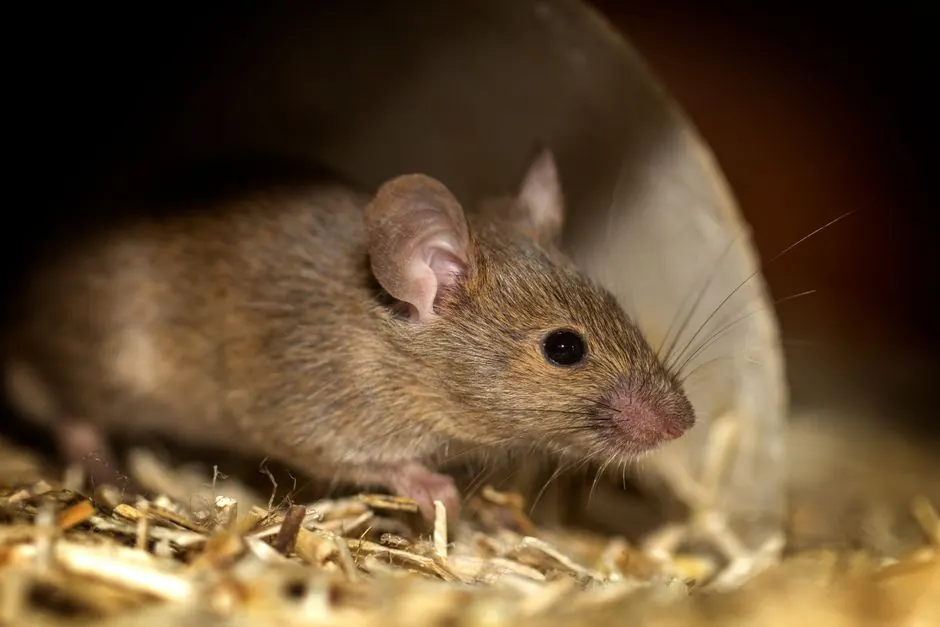 Attic Mice RemovalAttic infestations are common in Lima's older homes. We remove mice, clean up droppings, and replace damaged insulation. A UV blacklight check confirms no urine residue remains. Most attic jobs take two to three visits to complete.Explore →
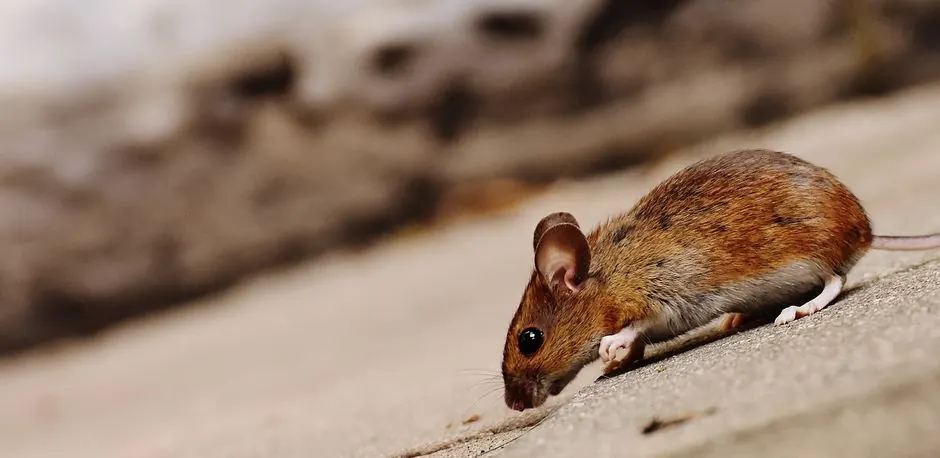 Crawl Space Mice ControlCrawl spaces give mice easy access to the whole house. We trap, seal foundation vents, and treat contaminated surfaces. If insulation is heavily soiled, we remove and replace it. This service pairs well with Rodent Proofing for a complete fix.Explore →
Every week you wait, mice chew more insulation and leave more droppings. We are licensed, insured, and ready to inspect your Lima property today. Call now and we will schedule a same-day visit.
Schedule Inspection +14192636172 →Reach us at +14192636172 and we will book a same-day window if you call before noon. Our phone lines stay open 24/7 for emergency calls from restaurants and homes. We serve Lima, Allen County and the surrounding ZIP codes, and we answer with a real person, not a call center.