Mice in kitchen prep areas
We inspect prep lines, dish pits, and walk-ins, then set snap traps and bait stations in non-food zones. We seal gaps behind equipment with copper mesh and steel wool so mice cannot return to the same runway.
Mice Control for Restaurants in Lima is built for busy kitchens, walk-ins, and storage rooms. A single mouse in your prep area can trigger a failed health inspection, so we move fast. Our team handles restaurant mouse control Lima OH with same-day response, sealed entry points, and discreet service that keeps your doors open and your staff focused on service.
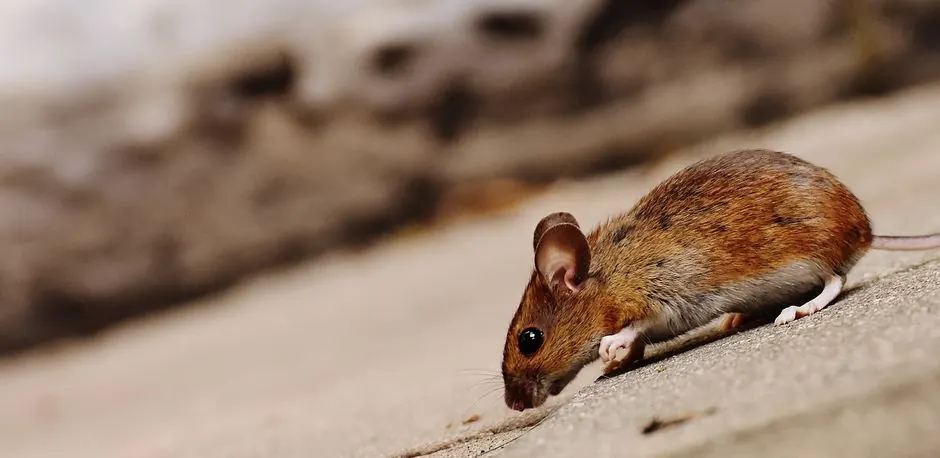
Mice Control for Restaurants in Lima is a commercial pest service that removes and excludes mice from kitchens, storage rooms, dining areas, and loading zones. We start with a full inspection using flashlights and inspection mirrors to trace runways, droppings, and gnaw marks. Then we set snap traps, glue boards, and tamper-resistant bait stations in non-food zones, seal gaps with copper mesh and steel wool, and sanitize contaminated surfaces. Every job follows Ohio Department of Agriculture pesticide rules and health-code expectations.
Lima restaurants face real pressure from mice, especially as fall turns to winter. Temperatures drop, and rodents push through gaps around utility lines, dock doors, and old brick foundations. We see it most in older downtown buildings and strip-mall kitchens along Lima's commercial corridors. If you have searched for Mice Control for Restaurants near me Lima OH, you already know the problem: mice in the kitchen, droppings behind equipment, and the risk of a failed inspection. We solve it without shutting your operation down.
Every Mice Control for Restaurants in Lima job includes inspection, exclusion, trapping, sanitation, and a written report. Add-ons like insulation replacement or dead rodent removal are priced separately if we find them.
We inspect your kitchen, storage, dining room, and exterior walls with flashlights and inspection mirrors. We look for droppings, gnaw marks, grease trails, and entry gaps, then give you a written report with photos and recommendations.
We seal gaps around pipes, doors, and foundations with copper mesh, steel wool, hardware cloth, and silicone sealant. Mice can squeeze through a quarter-inch gap, so we treat anything larger and verify the work before we leave.
We place Victor snap traps, Catchmaster glue boards, and tamper-resistant bait stations in non-food zones. Devices go under equipment, along walls, and inside ceiling voids, never in prep or plating areas.
We remove droppings, clean contaminated surfaces, and treat affected areas with EPA-registered products. If we find a dead mouse in a wall or ceiling, we remove it and treat the odor so your kitchen smells clean.
We return at 7 and 14 days to check traps and adjust the plan. After that, monthly monitoring keeps your Lima restaurant clean and your inspection record current. Reports are written and ready to share.
We inspect your kitchen, storage, dining room, and exterior walls with flashlights and inspection mirrors. We look for droppings, gnaw marks, grease trails, and entry gaps. A typical restaurant inspection takes 45 to 90 minutes depending on square footage and how many rooms connect to the kitchen.
We seal every gap we find with copper mesh, steel wool, hardware cloth, and silicone sealant. Mice can squeeze through a gap the width of a pencil, so we treat anything larger than a quarter inch. This step usually takes two to four hours for a standard Lima restaurant.
We place snap traps, glue boards, and tamper-resistant bait stations in non-food areas. We use Victor and JT Eaton snap traps, Catchmaster glue boards, and Bell Laboratories bait stations. Devices go under equipment, along walls, and inside ceiling voids, never in prep or plating zones.
We remove droppings, clean contaminated surfaces, and treat affected areas with EPA-registered products. If we find a dead mouse in a wall or ceiling, we remove it and treat the odor. This step protects your staff and your next inspection score.
We return for follow-up checks, usually at 7 and 14 days, then move to monthly monitoring. You get a written report with trap counts, exclusion work, and sanitation notes. If activity continues, we adjust the plan at no extra charge.
Purpose-built equipment, used by trained technicians — so the job is done accurately the first time.
Placed along runways and wall edges in non-food zones to catch mice quickly and humanely.
Used in tight spaces under equipment and inside ceiling voids where snap traps will not fit.
Tamper-resistant stations placed outside the building and in non-food interior zones for long-term control.
EPA-registered bait blocks used in secured stations, following Ohio Department of Agriculture rules.
Packed into gaps around pipes, doors, and foundations to block mice from re-entering.
Used to trace runways, find droppings, and locate dead mice inside walls and ceiling voids.
A 2,400-square-foot restaurant in Cercado de Lima had mice in the kitchen for three weeks. Trap counts hit 12 mice per night, droppings lined the shelf behind the walk-in, and the health inspector flagged the issue.
We sealed 14 entry points with copper mesh and steel wool, set 20 snap traps and 6 bait stations in non-food zones, and sanitized the storage area. Trap counts dropped to zero within 14 days and the re-inspection passed.
A Miraflores restaurant had a mouse sighting during dinner service. Customers noticed, and the manager needed same-day help without closing the dining room.
We arrived after close, inspected the dining room and kitchen, and placed 12 snap traps and 4 bait stations in non-public areas. No customer saw a device. Trap counts dropped from 5 per night to zero in 10 days.
A Barranco kitchen had a dead mouse smell in the wall above the prep line. Droppings were found behind the walk-in, and the owner worried about a failed inspection.
We located the carcass with inspection mirrors, removed it, and treated the void. We sealed 9 entry points with copper mesh and steel wool, then sanitized the storage area. The odor cleared in two days.
Mice in a restaurant are not a cosmetic issue. They fail inspections, damage equipment, and scare customers. We solve the problems that cost you money and reputation.
Ask a pro →We inspect prep lines, dish pits, and walk-ins, then set snap traps and bait stations in non-food zones. We seal gaps behind equipment with copper mesh and steel wool so mice cannot return to the same runway.
We remove droppings from shelves, equipment, and storage areas, then treat surfaces with EPA-registered products. Our written sanitation report documents the work so you can show a clean record at your next inspection.
We locate the carcass with inspection mirrors and flashlights, remove it, and treat the void with odor-removal products. If insulation is contaminated, we remove and replace it so the smell does not return.
We seal every entry point with copper mesh, steel wool, and expanding foam, then set a monthly monitoring plan. That is how you stop recurring mice infestation instead of paying for emergency visits every fall.
$350 - $1,200 initial cleanout, then $95 - $250 per month for monitoring
Typical 2026 pricing for Mice Control for Restaurants in Lima runs $350 to $1,200 for the initial cleanout, then $95 to $250 per month for monitoring. The initial cost depends on square footage, how many entry points we seal, and whether sanitation or dead rodent removal is needed. We quote upfront before we start, so you know the number before we set a trap. Monthly plans cover trap checks, bait replacement, and written reports.
A failed health inspection costs far more than a cleanout. Our pricing covers inspection, exclusion, trapping, sanitation, and written reports, so you get a documented record and a kitchen that stays clean.
A 1,200-square-foot cafe needs fewer traps and less exclusion work than a 4,000-square-foot restaurant with multiple kitchens and storage rooms. Larger spaces take longer to inspect and treat.
Every gap we seal adds labor and material. A building with 20 gaps costs more to seal than one with 6, but sealing is what stops the problem from returning.
If droppings are widespread behind equipment and shelves, sanitation takes longer and uses more EPA-registered product. We price this separately so you only pay for what your kitchen needs.
Locating and removing a carcass inside a wall or ceiling void adds time and access work. If insulation is contaminated, removal and replacement is priced as an add-on.
“We had mice in the kitchen for three weeks and two failed inspections. Ohio Mouse Removal Experts came out the same day, sealed the gaps behind our prep line, and set traps in the ceiling. Trap counts dropped from 12 a night to zero in two weeks. Our last inspection passed with no rodent findings.”
Maria G.Owner, Miraflores
✓ Verified“Our dining room had a mouse sighting during dinner service. They came after close, worked quietly, and had bait stations and snap traps placed before we opened. No customer ever saw a device. Monthly monitoring keeps us clean and the reports are ready for the health inspector.”
David R.General Manager, San Isidro
✓ Verified“We were dealing with droppings behind the walk-in and a dead mouse smell in the wall. They found the carcass, removed it, and sanitized the area. The odor was gone in two days. The exclusion work with copper mesh and steel wool stopped the mice from coming back through the same gap.”
Ana P.Kitchen Manager, Barranco
✓ VerifiedMost Lima restaurant jobs run $350 to $1,200 for the initial cleanout, then $95 to $250 per month for monitoring. The initial cost depends on square footage, how many entry points we seal, and whether sanitation is needed. Monthly plans cover trap checks, bait replacement, and written reports.
Yes. We schedule most restaurant work before opening or after close so your customers never see traps or bait stations. Same-day and after-hours service is available for active sightings and failed inspections. Call before noon and we can usually be on-site the same afternoon.
We inspect the kitchen, storage, dining room, and exterior, then seal entry points with copper mesh and steel wool. We set snap traps, glue boards, and tamper-resistant bait stations in non-food zones. Finally, we sanitize contaminated surfaces and return for follow-up checks at 7 and 14 days.
Yes. We work around your service hours and keep all devices in non-public areas. Most cleanouts happen before opening or after close, and we never block prep lines or dining areas during service. You stay open while we work.
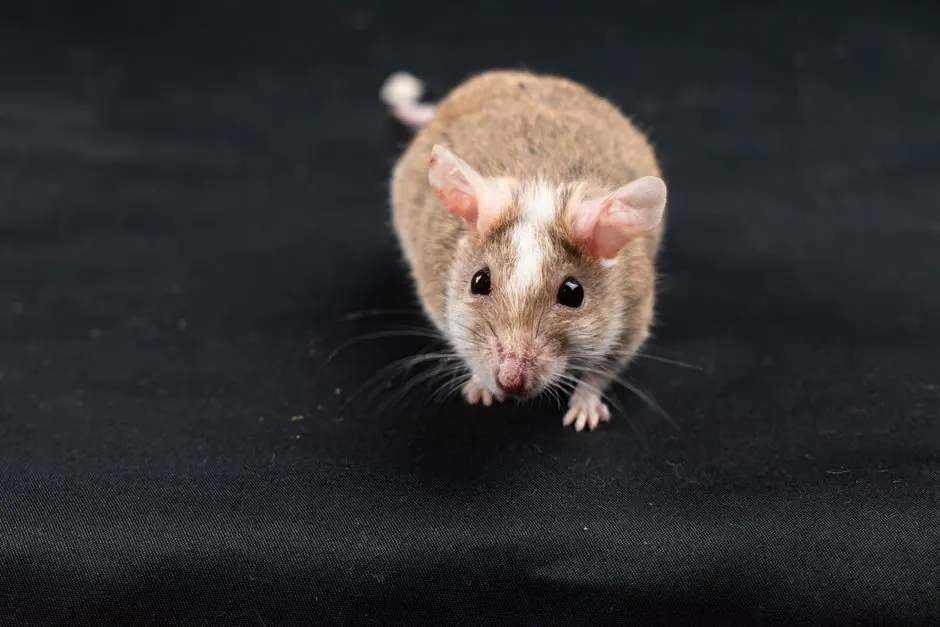 Mice ControlOur core service removes mice from kitchens, walls, and storage rooms. For Lima restaurants, we combine trapping, exclusion, and sanitation into one visit so you get a clean kitchen and a documented paper trail.Explore →
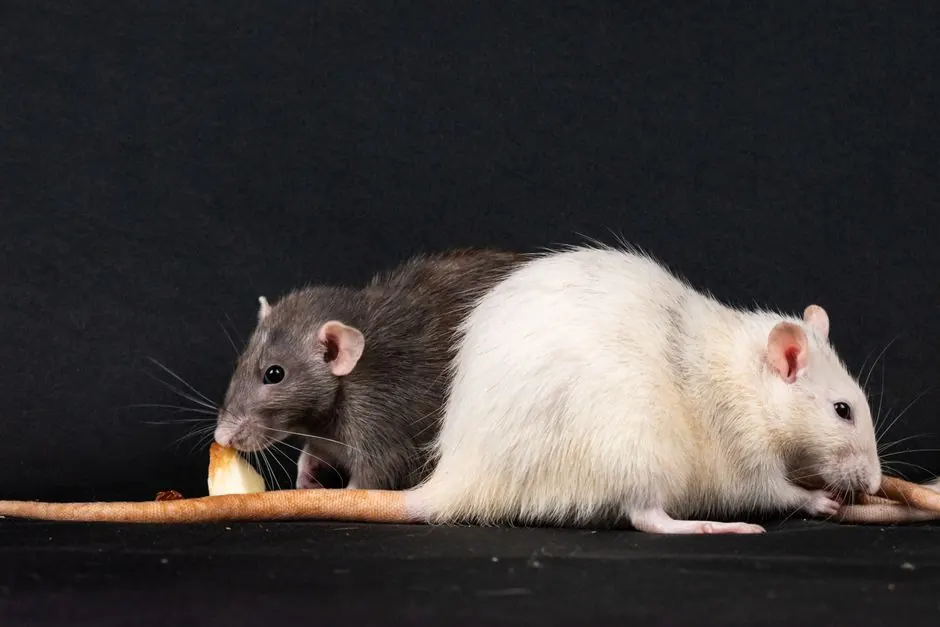 Rodent ControlRodent control covers mice and rats together. Lima restaurants near alleys and loading docks often deal with both, so we inspect for rat burrows and runways alongside mouse activity and treat both with the right tools.Explore →
 Mouse ExterminationMouse extermination is the targeted removal step. We use Victor snap traps, Catchmaster glue boards, and Bell Laboratories bait stations in non-food zones to knock down active populations fast, usually within 7 to 14 days.Explore →
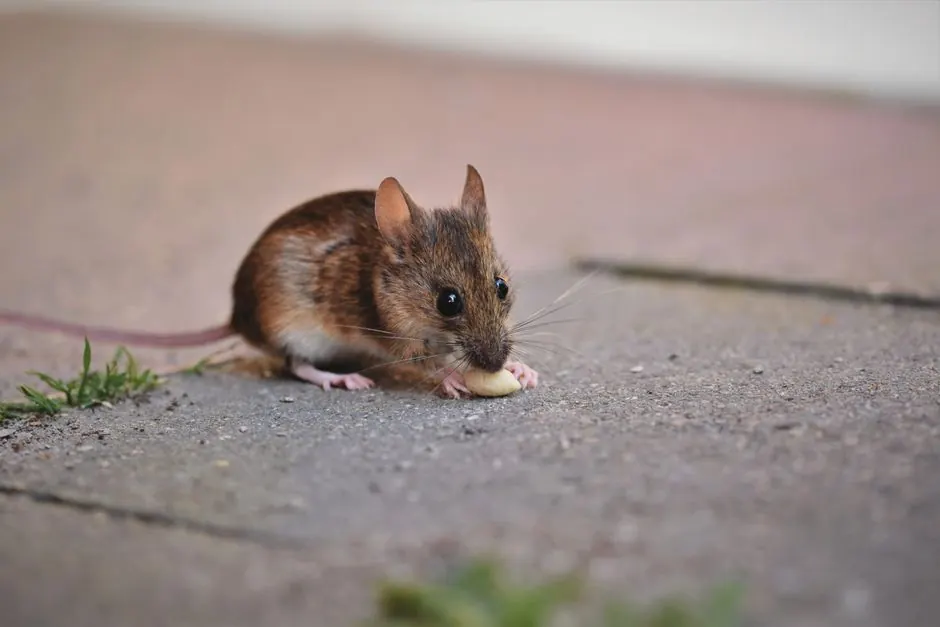 Mice RemovalMice removal covers live capture, dead mouse retrieval, and disposal. If you smell a dead mouse in a wall or ceiling, we locate it with inspection mirrors and flashlights, remove it, and treat the odor before it spreads.Explore →
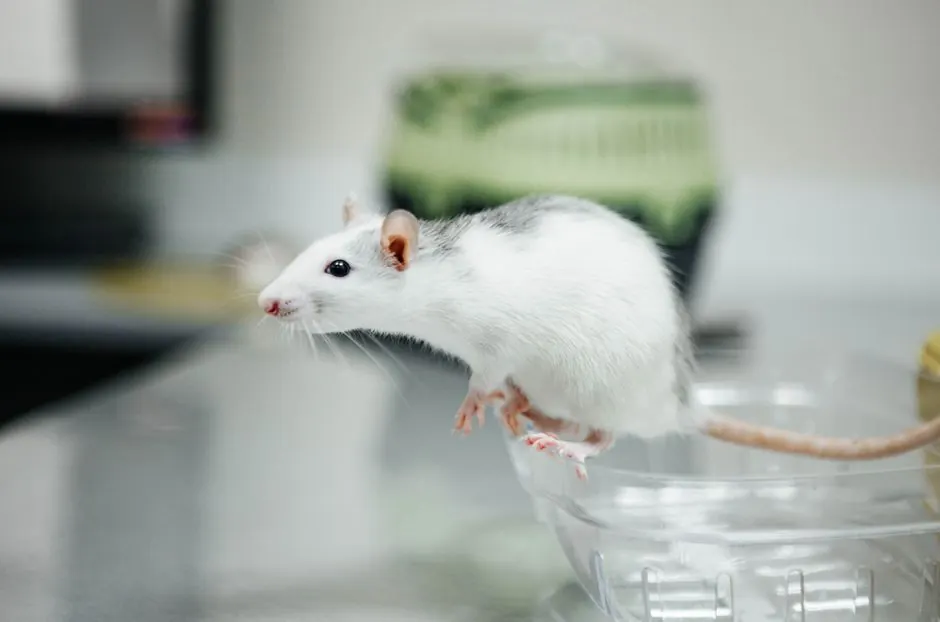 Rodent InspectionA rodent inspection is the first step for any Lima restaurant. We check kitchens, storage, dining rooms, and exteriors for droppings, gnaw marks, and entry gaps, then give you a written report you can share with your health inspector.Explore →
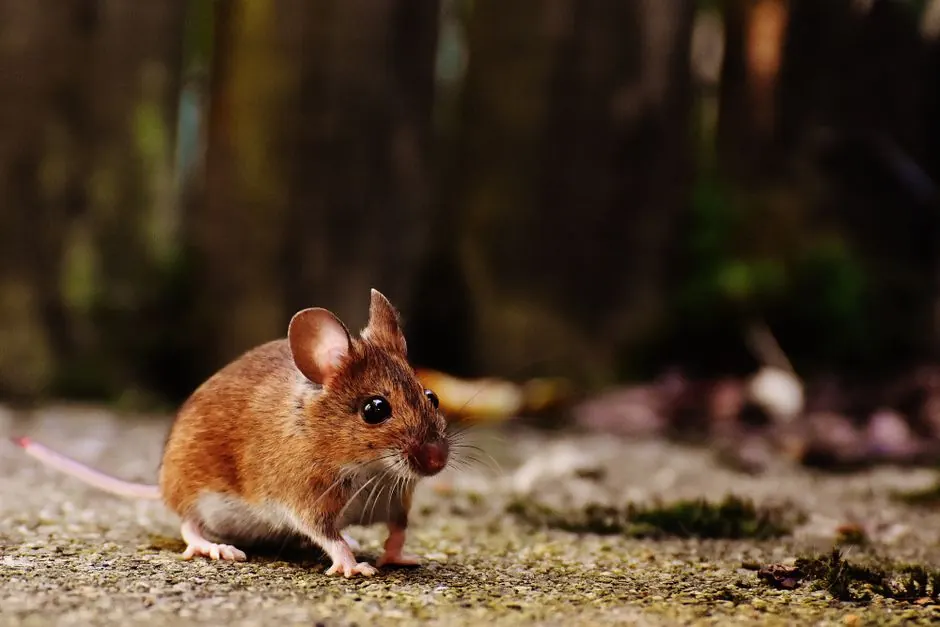 Mice ExclusionMice exclusion seals the building so mice cannot get back in. We use copper mesh, steel wool, hardware cloth, and silicone sealant on gaps around pipes, doors, and foundations. This is the step that stops recurring infestations.Explore →
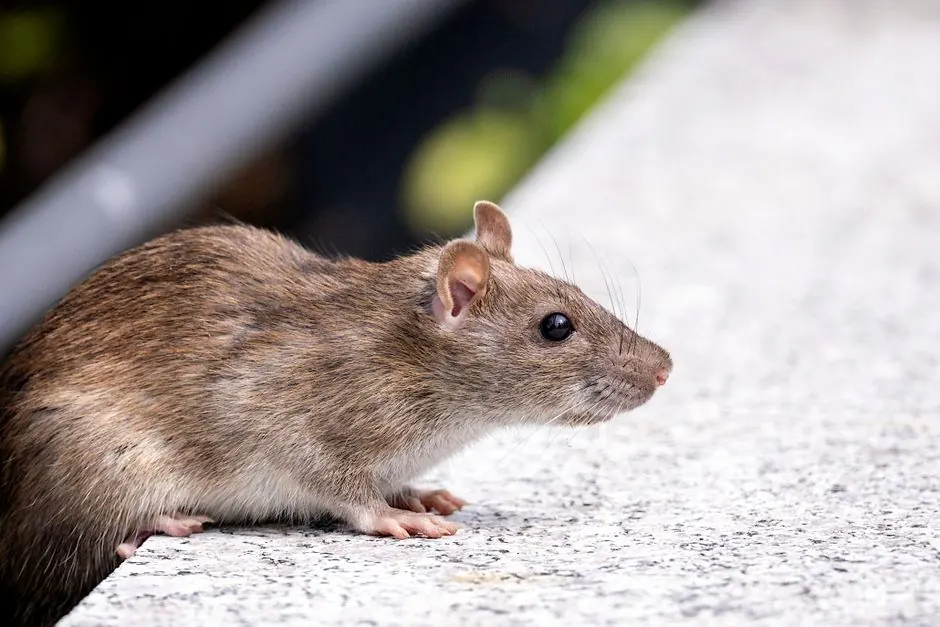 Rodent ProofingRodent proofing is long-term prevention for Lima restaurants. We repair damaged screens, seal dock doors, and reinforce wall penetrations with materials that hold up in commercial kitchens, so you are not paying for repeat call-outs every season.Explore →
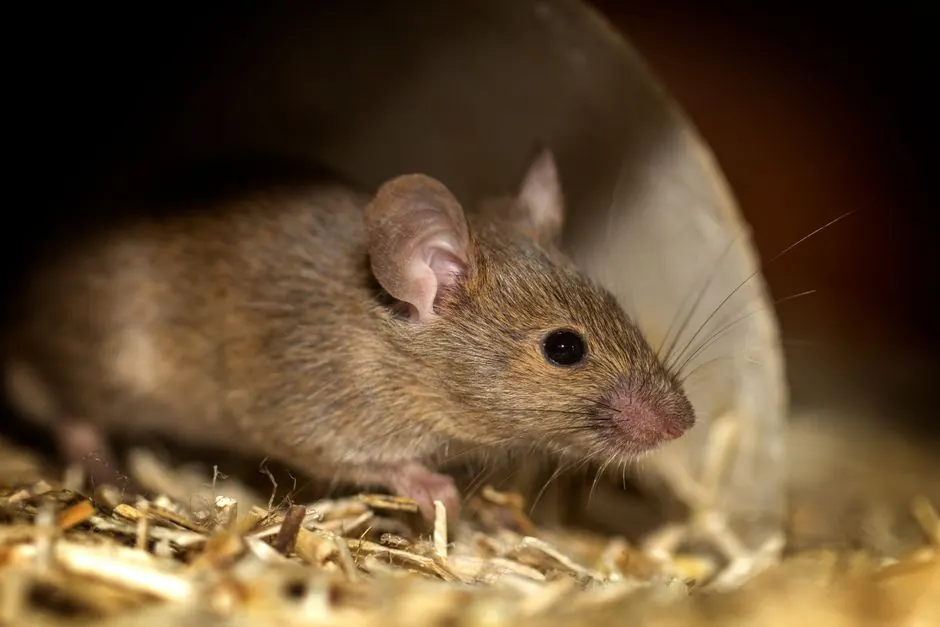 Attic Mice RemovalMany Lima restaurants sit under older buildings with attic voids. Mice travel those spaces and drop into kitchens through ceiling gaps. We remove mice from attics, seal the drop points, and replace damaged insulation.Explore →
A mouse in your kitchen is a health-code risk. We offer same-day response for Lima restaurants, discreet service, and written reports you can show your inspector. Call now and we will schedule a walk-through before your next service.
Book Inspection +14192636172 →Reach us at +14192636172 and we will book a same-day window if you call before noon. Our phone lines stay open 24/7 for emergency calls from restaurants and homes. We serve Lima, Allen County and the surrounding ZIP codes, and we answer with a real person, not a call center.